
Your expertise isn't reaching enough people.
You know your industry and have something worth saying. But sharing it consistently is difficult when client work and daily operations take over.
Growth strategy & systems for founder-led businesses
You have built the business, earned trust, and created opportunities. But your marketing, follow-up, client delivery, and daily operations still depend on you to keep everything moving.
We build the strategy and systems behind your growth—so the business can move forward without everything coming back to you.
When growth becomes the bottleneck
At first, doing everything yourself made sense. Then more customers, conversations, and moving parts started taking up the time you need to keep growing.
You know your industry and have something worth saying. But sharing it consistently is difficult when client work and daily operations take over.
Without a clear journey, conversations get buried, follow-ups become inconsistent, and potential customers lose momentum.
Your team needs answers. Customers need updates. Projects need approvals. You spend more time coordinating the business than moving it forward.
New customers should create more opportunity. Instead, each client can bring more tasks, communication, and decisions back to you.
As the business grows, it can get harder to see where a customer, project, or task is waiting for its next step.
The real problem
You can create more content, generate more leads, hire another person, or add another software tool.
But when new opportunities enter the same disconnected process, you have more moving parts to manage.
Growth comes from making the right things work together: a clear message, a customer journey, and repeatable operations.
Attracting more business matters when you can convert and deliver it.
At each handoff: clear information, a clear owner, and a clear next action.
How we work
We diagnose the problem, design the solution, and build what your business actually needs. The business determines the system.
Understand the business before changing it. We examine your goals, processes, customer journey, and recurring work to find the gaps costing time, opportunities, or capacity.
Map an improved process, clarify responsibilities, and identify what can be simplified, delegated, or automated. Then choose the tools that fit.
Build and connect the agreed workflows around your business. Test the system and prepare your team to use it.
Review the results, adjust the process, and improve the system as the business evolves.
What we build
We look at how your business attracts opportunities, turns them into customers, and delivers the work. Then we build the systems that connect those stages.
Your expertise is already there. We clarify your positioning and turn what you know into a message buyers understand, trust, and remember. The outcome is clearer messaging, consistent visibility, and a better path from attention to inquiry.
Depending on the diagnosis:positioning, audience and customer-journey strategy, content workflows, expertise capture, distribution, and nurturing.
We design the steps between the first interaction and becoming a customer. The outcome is a more organized journey, consistent follow-up, and better visibility into opportunities.
Depending on the diagnosis:lead capture and qualification, CRM and pipeline management, follow-up, scheduling, customer communication, and lead tracking.
We simplify workflows, clarify responsibilities, and connect your tools so the team knows what happens next. The outcome is less repetitive work, clearer coordination, and more capacity to serve customers.
Depending on the diagnosis:client onboarding, internal workflows, task ownership, process automation, reporting, and system integration.
Marcus at East Coast Moving Logistics reports about 12 hours a week saved on data entry after Ace automated part of intake. See the client account.
Real businesses. Real implementations.
East Coast Moving Logistics · Marcus · 2024
About 12 hours per weekMarcus reports time saved on data entry alone.
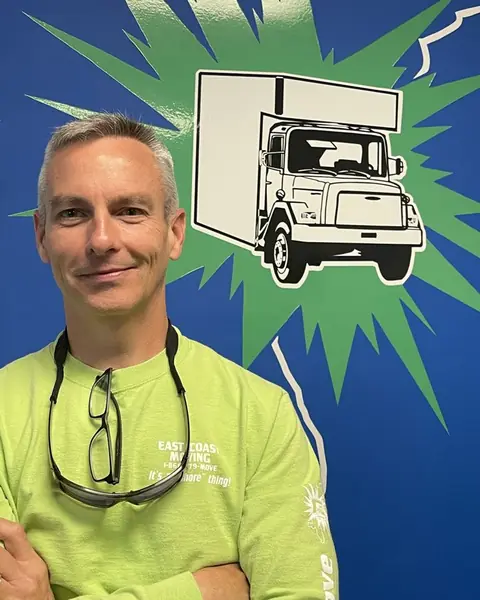
Nick built a system and automated some of our intake about 12 hours per week on data entry alone.
East Coast Moving Logistics · Marcus · 2024
Client-reported result from this implementation.
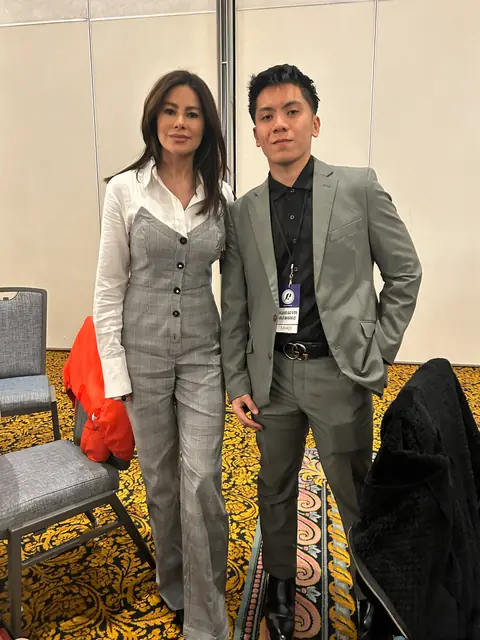
Cinthya · Jalisco Jewelry · 2025
Cinthya describes a website connected to the CRM, social media, WhatsApp, and phone to respond to customers.
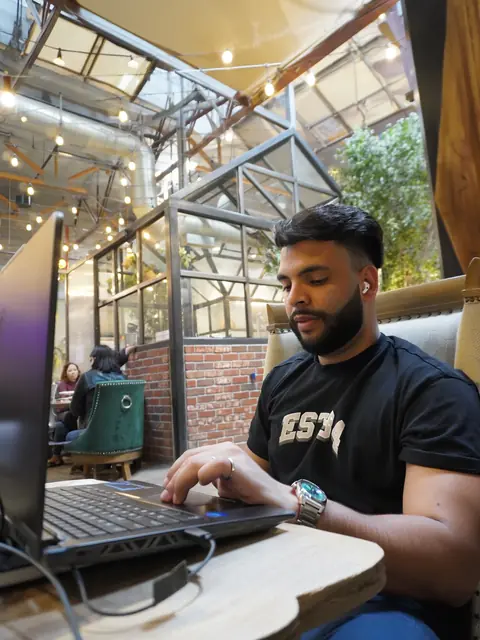
Khadir · The Real Edit · 2025
Khadir describes an end-to-end marketing automation project spanning newsletter communication through after-sales support. The work covered the customer journey beyond the first inquiry.
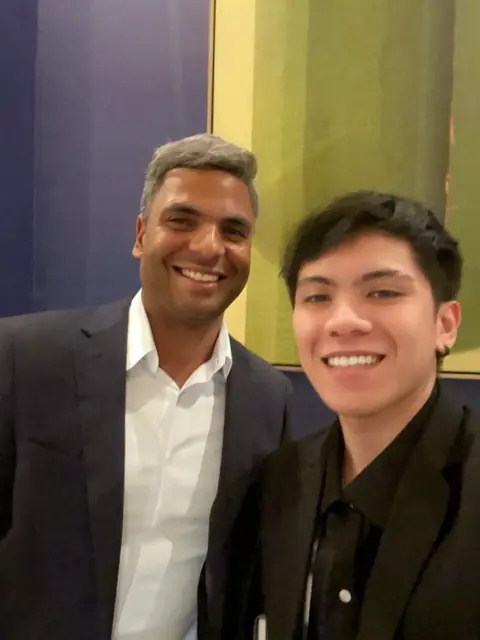
James · Founder, J Dev. Corp · 2024
James reports that the automated email and inventory management are working well.
Behind the build
These examples show workflows and capabilities we design, test, and implement based on business needs. The technology supports the solution; it isn’t the reason we build it.
Swipe through all 7 implementations.
A workflow that helps turn founder ideas into structured content, supporting the process from ideation through production.
An example interface for responding to common questions and organizing customer interactions.
An illustrative character concept for branded creative work.
A system connecting web pages, lead capture, CRM pipelines, and customer communication.
Connected workflows that move information between systems and reduce manual steps, with people involved where judgment is required.
An early-stage logistics automation MVP exploring how routine work can move through a more structured process.
An example workflow supporting asset records, equipment tracking, and operational visibility.
Before we work together
Free Founder Growth Audit
Before you spend more time or money trying to grow, get clear on what needs to change. We use my signature Founder Growth System—the 3Ms (Model, Market, Messaging) and three functions (Acquisition, Content, Fulfillment)—to find the problem worth solving first.
Complete the short application, then choose a time. We’ll discuss your business, diagnose a priority challenge, and identify a direction forward. No generic demo or predetermined package—just a practical conversation.
Apply for a Free Founder Growth Audit
FREE FOUNDER GROWTH AUDIT
1 / 2Share where you are, what you’re building, and which part of the business needs attention. After two short steps, the calendar opens.